
Discover 10 proven practices for self care and wellness. Improve mental clarity, reduce stress, and create balance with healthy, lasting habits. Buy Now- Boldfit Yoga Mats
Buy Now – Fitness pants for women
Table of Contents
- Introduction: Why Self Care and Wellness Matter
- What is Self Care?
- What is Wellness?
- How the Two Work Together
- 10 Proven Practices for a Balanced Life
- Physical Habits
- Emotional Habits
- Mental Habits
- Social Habits
- Spiritual Habits
- A Personal Journey
- Comparison Table: Thriving vs. Burnout
- Long-Term Benefits of Healthy Habits
- FAQs
- Conclusion + Call to Action
Introduction: Why Self Care and Wellness Matter
The pace of modern life often leaves little room for reflection or rest. People juggle careers, studies, family responsibilities, and constant digital connections. Amid this rush, the ideas of self care and wellness have become essential—not as luxuries, but as necessities. Buy Now – Fitness tshirt for women
Buy Now – Fitness t shirt for men
Without deliberate effort to maintain balance, exhaustion and stress take over. When individuals carve out time for renewal and healthy routines, they gain the energy and clarity needed to thrive. This is where consistent practices make all the difference.

What is Self Care?
At its heart, self care means intentionally doing things that restore your mind and body. It isn’t limited to spa days or vacations. It is often found in small, daily actions: choosing nourishing meals, resting properly, or setting boundaries with your time.
This approach acknowledges that energy is finite. By preserving and replenishing it, you create the conditions for better focus, stronger relationships, and improved productivity.
What is Wellness?
While care focuses on the actions, wellness represents the overall outcome. It’s a state of being that integrates physical health, mental clarity, emotional stability, and social connection. The World Health Organization defines it as complete well-being rather than just the absence of illness.
Someone may exercise regularly, meditate, and connect with loved ones—not just to survive, but to flourish. In this sense, wellness is the goal, and everyday practices are the path that leads there.
How the Two Work Together
The relationship between these concepts is simple but powerful. Think of self care as the input and wellness as the result.
- If you sleep well, you feel more energized.
- If you eat nourishing foods, you strengthen your immunity.
- If you practice mindfulness, you reduce stress and sharpen focus.
Every action compounds. Over time, these habits create a lifestyle where balance feels natural.
10 Proven Practices for a Balanced Life
1. Sleep with Intention
Quality rest fuels memory, mood, and focus. Aim for seven to nine hours per night, creating rituals that signal your body to unwind—dim lighting, calming tea, or quiet reading.
2. Move Every Day
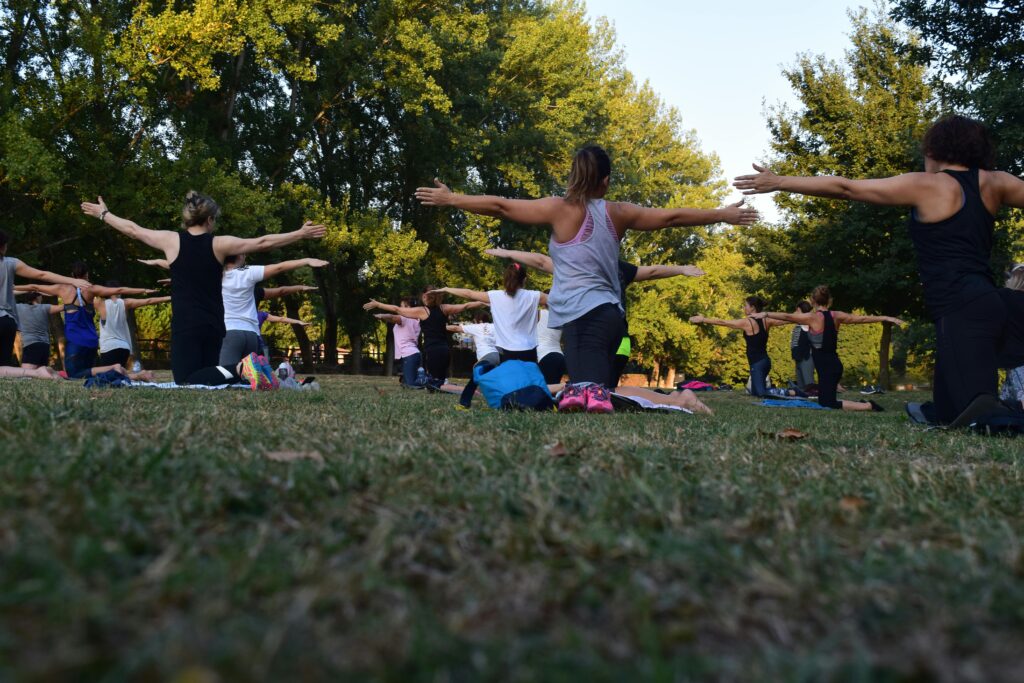
Even light activity supports heart health, eases tension, and builds resilience. A 20-minute walk, yoga session, or stretch can dramatically improve how you feel.
3. Choose Nourishing Foods
What you eat shapes your energy. Whole grains, fruits, vegetables, and lean proteins sustain both body and mind. Reducing processed sugar and heavy caffeine creates steadier focus.
4. Practice Presence
Mindfulness doesn’t require hours of meditation. Five minutes of deep breathing, mindful eating, or gratitude reflection can help you reset.

5. Learn to Say “No”
Healthy boundaries are one of the hardest but most rewarding practices. Declining what drains you allows space for priorities that matter.
6. Journal Your Thoughts
Writing clears mental clutter. Journaling a few lines daily helps process emotions, track goals, and spot patterns that influence your growth.
7. Cultivate Relationships
Humans are wired for connection. Whether it’s a dinner with family, coffee with a friend, or joining a local group, community adds meaning.
8. Take Breaks from Screens
Technology keeps us informed, but it also overloads our senses. Unplugging for a few hours restores calm and allows you to reconnect with the present.
9. Practice Gratitude
Listing three things you appreciate each day rewires your brain for positivity. Over time, this simple exercise builds resilience.
10. Seek Support When Needed
Sometimes outside help is essential. Speaking with a counselor, mentor, or coach can provide perspective and tools for moving forward.
A Personal Journey
A few years ago, I believed productivity meant constant work. I skipped meals, stayed up late, and ignored rest. The result was burnout: headaches, low energy, and irritability.
A friend suggested I try small shifts. These included ten minutes of quiet in the morning, short evening walks, and keeping a gratitude notebook. At first, the changes seemed too small to matter. But within weeks, I felt lighter, calmer, and clearer.
That experience taught me that progress doesn’t require drastic overhauls. Instead, consistency in small actions creates transformation.
Comparison Table: Thriving vs. Burnout
| Thriving Practices | Burnout Habits |
|---|---|
| 7–9 hours of rest | Sleep deprivation |
| Daily movement | Long sedentary stretches |
| Balanced meals | Fast food and caffeine overload |
| Mindful pauses | Endless multitasking |
| Respecting boundaries | Overcommitting |
| Strong social ties | Isolation |
Long-Term Benefits of Healthy Habits
The payoff of consistency is profound. Regular practice improves mental clarity, enhances focus, and boosts creativity. Physically, energy stabilizes and immunity strengthens. Emotionally, stress eases, resilience builds, and joy grows.
Relationships also improve. When you care for yourself, you show up with more patience, empathy, and energy. Over months and years, these benefits accumulate into a lifestyle defined by balance rather than chaos.
FAQs
Q1: What are the easiest ways to begin these habits?
Start small. Focus on one practice—such as drinking more water or adding a short walk—and build gradually.
Q2: Do I need to spend money on elaborate routines?
No. Many practices are free, like journaling, deep breathing, or gratitude. They are highly effective without costing anything.
Q3: How quickly will I notice changes?
Some shifts, like better sleep, can improve energy within days. Others, like journaling or exercise, reveal benefits steadily over weeks.
Q4: Isn’t focusing on myself selfish?
Taking time for your needs allows you to give more fully to others. By preserving energy, you become a stronger support for loved ones.
Conclusion + Call to Action
Balancing responsibilities in today’s world is challenging, but by intentionally nurturing yourself, you create space for growth and fulfillment. These ten practices are not quick fixes but steady investments in a better life.
Pick one action today. It could be a walk, a journal entry, or turning off your phone for an hour. Commit to it for a week. Watch how even small efforts ripple into bigger changes.
Your path to greater balance begins with the simplest choice: taking care of you.
Internal & External Links
Internal Idea: [7 Easy & Proven Ways to Reduce Stress and Anxiety Naturally]
External Source: Mayo Clinic – Healthy Lifestyle