
Discover how a digital detox can reduce stress and anxiety. Learn practical tips to cut screen time, improve mental clarity, and reclaim balance.
Table of Contents
- Introduction: Why Digital Detox Matters Today
- The Link Between Screen Time, Anxiety, and Stress
- Personal Story: My Journey With Digital Detox
- Proven Benefits of Reducing Screen Time
- Practical Digital Detox Strategies
- Daily Micro-Detox
- Weekly Tech-Free Days
- Mindful Social Media Use
- Table: Screen Time vs. Stress Levels
- Common Challenges & How to Overcome Them
- FAQs
- Conclusion & Call to Action
Introduction: Why Digital Detox Matters Today
In today’s hyper-connected world, our phones, laptops, and social media platforms have become constant companions. While technology makes life easier, the endless pings, notifications, and scrolling can overwhelm our minds. Studies show that excessive screen time is strongly linked to higher stress and anxiety levels. That’s where a digital detox—a conscious break from screens—comes in.
Think of it as pressing the reset button for your brain. By cutting back on screen time, you allow your mind to breathe, recharge, and focus on what truly matters.

The Link Between Screen Time, Anxiety, and Stress
- Blue light exposure late at night interferes with sleep, worsening stress.
- Social media comparisons often fuel anxiety and low self-esteem.
- Information overload creates mental fatigue and irritability.
A 2023 study by the American Psychological Association found that people who spend more than 6 hours daily on screens report 60% higher stress levels than those who limit usage to under 3 hours.
LSI keywords: digital well-being, phone addiction, technology burnout, mindful screen use, social media detox.
Personal Story: My Journey With Digital Detox
Last year, I noticed I was constantly restless. Every morning, the first thing I did was check emails, then doom-scroll through social media. My productivity dropped, and anxiety spiked.
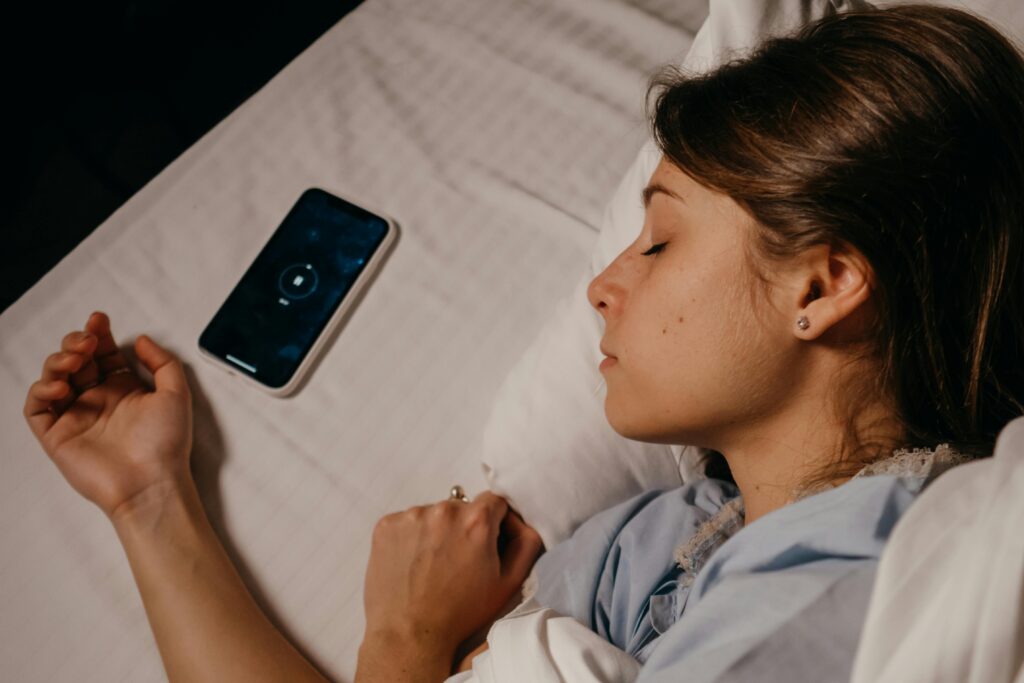
One weekend, I decided to turn off my phone for 24 hours. The first few hours were tough—I kept reaching for it. But by evening, I felt lighter, calmer, and more present. That experiment led me to adopt regular digital detox rituals—like no screens 1 hour before bed. My sleep improved, my stress reduced, and I felt mentally refreshed.
If I can experience these results with small changes, you can too.
Proven Benefits of Reducing Screen Time
Here are some science-backed benefits of cutting screen time:
- Lower anxiety levels (fewer comparisons and constant alerts).
- Improved sleep quality by reducing blue light exposure.
- Better focus and attention span.
- Enhanced relationships through face-to-face interactions.
- Greater mental clarity and emotional balance.

Practical Digital Detox Strategies
1. Daily Micro-Detox
- Set no-screen zones (bedroom, dining table).
- Use “Do Not Disturb” during focused work.
- Practice mindful scrolling—limit social media to 15 minutes.
2. Weekly Tech-Free Days
- Pick one day a week (Sunday, for example) to avoid unnecessary screen use.
- Replace scrolling with walks, journaling, or meeting friends.
3. Mindful Social Media Use
- Unfollow accounts that trigger stress or negativity.
- Use apps to track and limit screen time.
- Replace passive scrolling with active hobbies.
Table: Screen Time vs. Stress Levels
| Daily Screen Time | Reported Stress Level | Anxiety Symptoms |
|---|---|---|
| 0–2 hours | Low | Rare |
| 3–5 hours | Moderate | Occasional |
| 6–8 hours | High | Frequent |
| 8+ hours | Very High | Severe |
(Data adapted from APA survey, 2023)
Common Challenges & How to Overcome Them
- Fear of Missing Out (FOMO): Remind yourself that true connections happen offline.
- Work Demands: Use focus tools like Pomodoro technique and take breaks away from screens.
- Boredom: Replace idle scrolling with hobbies like reading, yoga, or meditation.
FAQs
Q1: What is a digital detox?
A digital detox is a conscious break from screens (phones, laptops, TVs, social media) to improve mental and physical well-being.
Q2: How long should a digital detox last?
It can be as short as 1 hour daily or as long as a week. Start small and increase gradually.
Q3: Can digital detox help with anxiety?
Yes. Reducing screen time lowers overstimulation, improves sleep, and reduces comparison-driven stress—all of which ease anxiety.
Q4: Is it realistic for working professionals?
Absolutely. Even setting tech-free hours in the morning or before bed can make a big difference.
Q5: Do I need to quit social media completely?
Not at all. It’s about mindful use—curate your feed and limit daily usage.
Conclusion & Call to Action
A digital detox isn’t about rejecting technology—it’s about regaining control over it. Cutting screen time has a direct impact on lowering stress and anxiety levels, improving focus, and boosting overall well-being.
👉 Start small today: set aside just 30 minutes of screen-free time daily and notice how your mind feels lighter.
For more mental wellness tips, check out our blog on Stress Management Tips. You can also explore external guides. These include APA’s digital well-being resources.
Remember: Your mental health deserves as much attention as your notifications.