
Discover 7 proven PTSD recovery methods that help manage symptoms, reduce stress, and rebuild life with confidence. Effective, holistic healing steps.
Table of Contents
- Introduction: Why PTSD Recovery Matters
- Method 1: Trauma-Focused Therapy
- Method 2: Medication Support
- Method 3: Mindfulness and Meditation
- Method 4: Support Groups & Social Connections
- Method 5: Lifestyle Adjustments for Healing
- Method 6: Creative & Expressive Therapies
- Method 7: Self-Care & Daily Coping Strategies
- Comparison Table: Therapy vs. Lifestyle Methods
- A Personal Story of PTSD Recovery
- FAQs on PTSD Recovery Methods
- Conclusion: Your Next Step Toward Healing
Introduction: Why PTSD Recovery Matters
Post-Traumatic Stress Disorder (PTSD) can feel overwhelming, but recovery is possible with the right strategies. Many people experience flashbacks, anxiety, or emotional numbness after trauma, but proven PTSD recovery methods can bring relief.
By combining therapy, lifestyle changes, and support systems, you can rebuild your life with resilience. This guide explores 7 evidence-based PTSD recovery methods designed to help you manage symptoms and heal naturally.

Method 1: Trauma-Focused Therapy
Therapy is one of the most effective approaches to PTSD recovery. Specialized techniques help you process trauma safely and reduce long-term symptoms.
Cognitive Behavioral Therapy (CBT)
CBT helps individuals recognize negative thought patterns and replace them with healthier ones. It’s especially useful for addressing anxiety, guilt, and self-blame linked to PTSD.
EMDR (Eye Movement Desensitization and Reprocessing)
EMDR is a widely recognized PTSD treatment that uses guided eye movements to process traumatic memories. Research shows that EMDR can significantly reduce flashbacks and emotional triggers.
Method 2: Medication Support
Medication is not a cure but can help manage severe PTSD symptoms. Doctors may prescribe antidepressants (SSRIs like sertraline) or anti-anxiety medications to stabilize mood and reduce panic attacks.
Note: Medication should always be combined with therapy for best results.
Method 3: Mindfulness and Meditation
Mindfulness teaches you to live in the present, breaking the cycle of reliving traumatic memories. Daily meditation, deep breathing, or yoga can:
- Lower stress levels
- Reduce panic and hypervigilance
- Improve sleep quality
Practicing mindfulness for just 10 minutes a day can gradually restore calm and balance.
Method 4: Support Groups & Social Connections
Isolation worsens PTSD. Joining a support group allows you to connect with people who understand your journey. Talking about your experiences helps reduce shame and builds resilience.
Even strong social support from friends and family is proven to speed up recovery.
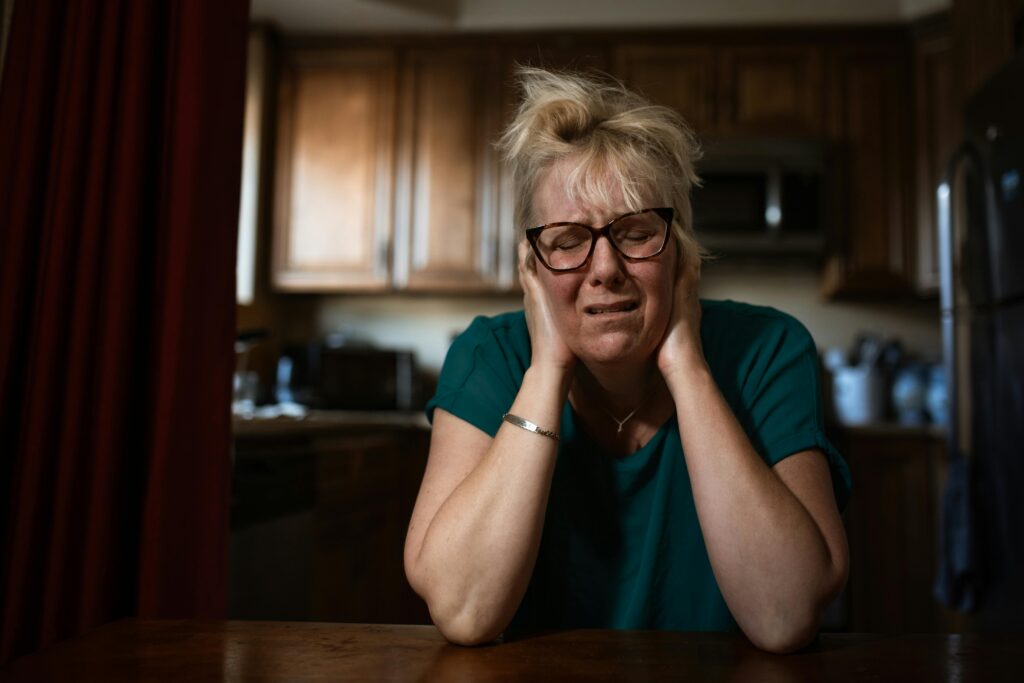
Method 5: Lifestyle Adjustments for Healing
Daily habits can directly affect PTSD symptoms. Some helpful changes include:
- Regular Exercise: Helps reduce anxiety and improves mood through endorphins.
- Healthy Diet: Omega-3s, whole grains, and leafy greens support brain health.
- Sleep Hygiene: Going to bed at the same time daily improves rest and reduces nightmares.
Method 6: Creative & Expressive Therapies
Expressive outlets like art therapy, music therapy, or journaling can help process trauma non-verbally. These activities unlock emotions that may be difficult to express in traditional therapy.
- Art Therapy: Painting or drawing emotions.
- Music Therapy: Playing instruments or listening to healing music.
- Writing Therapy: Journaling thoughts to release tension.
Method 7: Self-Care & Daily Coping Strategies
Small self-care actions build emotional resilience. Examples include:
- Grounding techniques (5-4-3-2-1 sensory method)
- Practicing gratitude journaling
- Setting healthy boundaries
- Spending time in nature
Comparison Table: Therapy vs. Lifestyle Methods
| Method | Benefits | Best For |
|---|---|---|
| Trauma-Focused Therapy | Deep healing, memory processing | Severe PTSD cases |
| Medication | Symptom relief, mood stabilization | Panic attacks, depression |
| Mindfulness & Meditation | Stress relief, emotional balance | Daily anxiety, sleep issues |
| Support Groups | Connection, shared experiences | Loneliness, isolation |
| Lifestyle Adjustments | Physical health, long-term resilience | Everyday stability |
| Creative Therapies | Expression, emotional release | Difficulty verbalizing trauma |
| Self-Care Practices | Daily coping, grounding strategies | Mild-moderate symptom management |
A Personal Story of PTSD Recovery
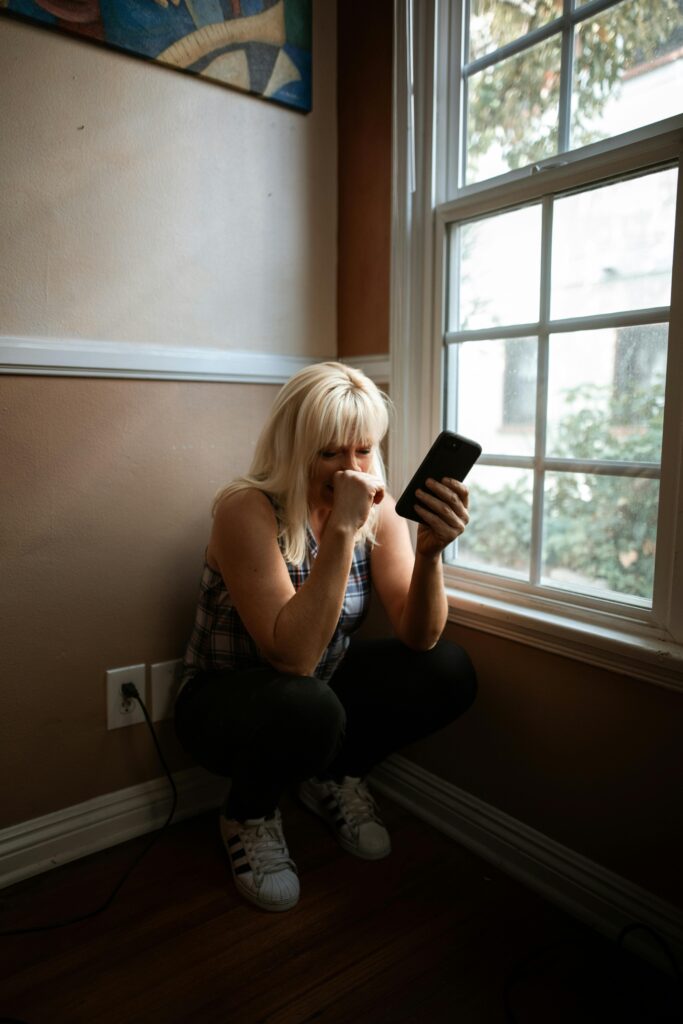
Siya, a 29-year-old teacher, developed PTSD after a car accident. She struggled with flashbacks and sleepless nights. At first, she felt hopeless. But after starting CBT sessions, practicing mindfulness meditation, and joining a local support group, her life began to change.
Within months, Siya reported fewer nightmares and more emotional stability. Her story shows that recovery is possible when multiple PTSD recovery methods are combined.
FAQs on PTSD Recovery Methods
1. What are the fastest PTSD recovery methods?
Therapy (especially CBT and EMDR) combined with medication offers the quickest symptom relief.
2. Can PTSD go away completely?
With treatment, many people experience full recovery, though some may still have mild triggers.
3. How long does PTSD recovery take?
Recovery varies, but consistent therapy and self-care often lead to significant improvement within 6–12 months.
4. Are natural methods effective for PTSD recovery?
Yes, lifestyle changes, mindfulness, and creative therapies can greatly complement clinical treatments.
Conclusion: Your Next Step Toward Healing PTSD recovery methods
PTSD recovery methods offer a pathway to reclaiming your life. From therapy and medication to mindfulness and self-care, each approach can reduce symptoms and promote healing. Stress Management Tips
Remember: recovery is not a one-size-fits-all journey. Explore different methods, combine strategies, and seek professional guidance. Mayo Clinic – PTSD Symptoms & Recovery
👉 Call to Action: If you or someone you love is struggling with PTSD, take the first step today. Reach out to a therapist or join a support group. Healing begins with the first step.